Learn how preventive health monitoring, routine screenings, and health risk awareness support long-term wellness tracking and informed personal health decisions.
Understanding which personal health metrics to watch — and how changes over time may indicate elevated risk — is a core part of preventive health monitoring.
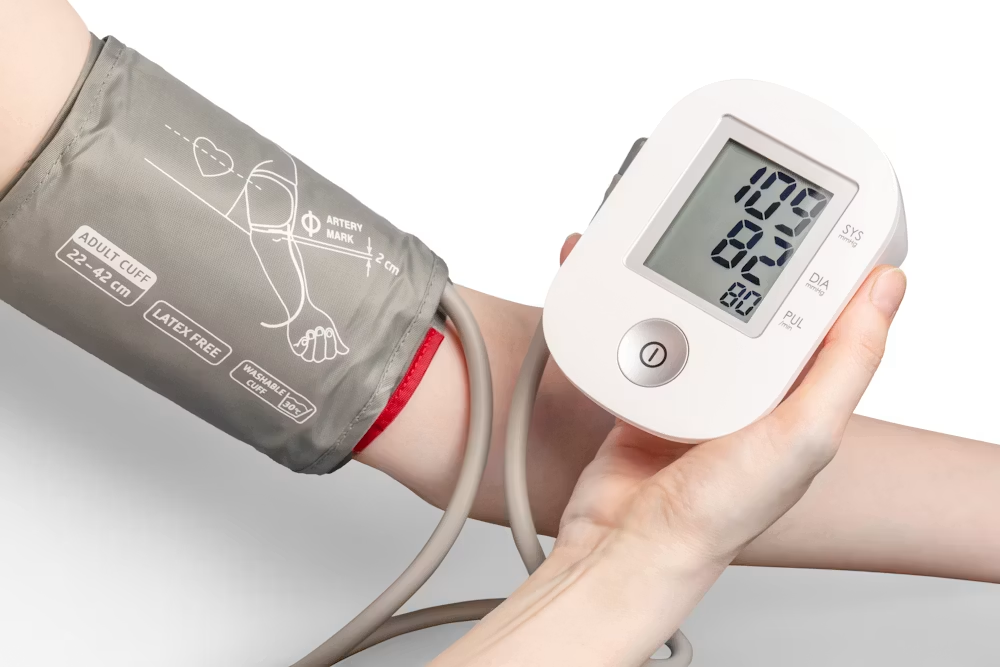
Learn what sustained blood pressure changes may indicate and when to discuss results with a provider.

Understand how blood sugar tracking supports early awareness of metabolic health patterns.

Track sleep duration and quality as part of daily wellness monitoring and recovery awareness.
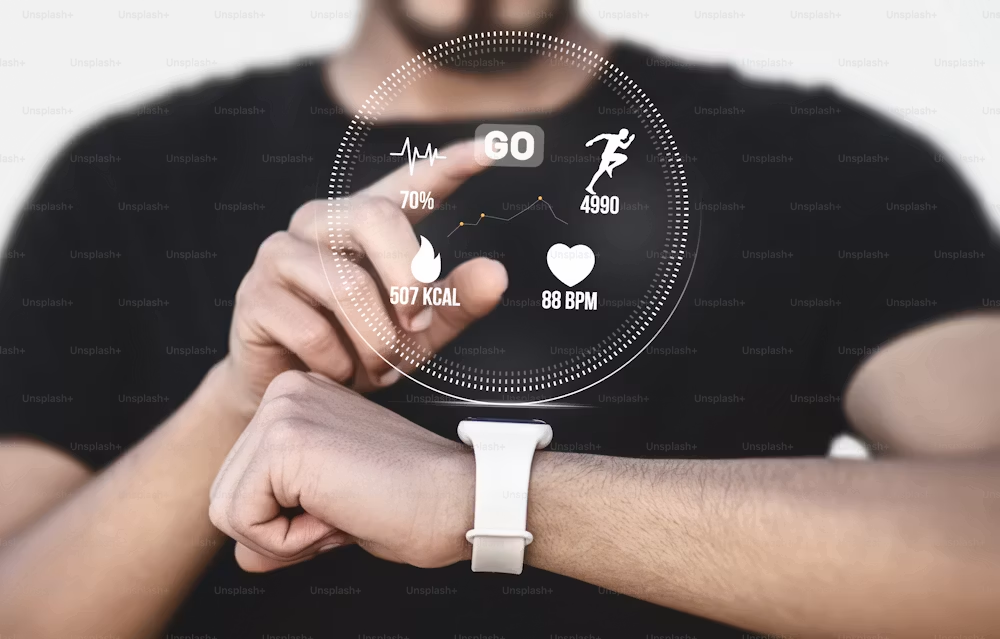
Use wearable device data thoughtfully to spot trends — not as a substitute for clinical evaluation.

Consistent lifestyle tracking — balanced nutrition, regular movement, quality sleep, and stress management — complements personal health metrics monitoring and strengthens preventive wellness routines.
MedLife Monitor helps you understand how daily habits influence the metrics you track and the insights they provide.
Preventive health insights help reduce health risks through routine metric tracking, early detection screenings, and consistent wellness monitoring habits.
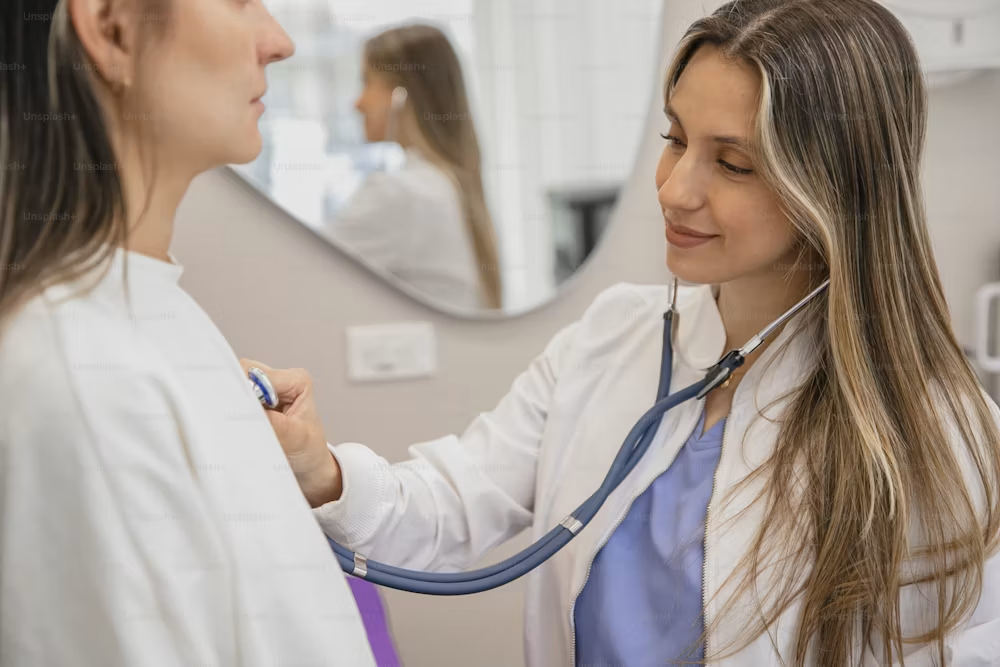
Regular wellness visits support baseline health metrics and ongoing monitoring awareness.

Recommended vaccinations help protect individuals and communities from preventable diseases.

Balanced nutrition supports heart health, energy levels, and long-term wellness.

Regular exercise helps maintain strength, flexibility, and overall physical health.
Daily lifestyle tracking — nutrition, physical activity, sleep quality, stress levels, and hydration — works alongside preventive health monitoring to support long-term wellness insights.
Preventive health insights encourage individuals to monitor personal metrics proactively and recognize when professional guidance may be needed.
Explore health monitoring resources, wellness tracking tools, and preventive health insights to support informed daily decisions.
The information available on MedLife Monitor is intended solely for educational purposes. It should not replace professional medical advice, diagnosis, or treatment. Always consult a qualified healthcare provider regarding any health concerns or before making healthcare decisions.